Galaxy S21 5G Vs iPhone 13

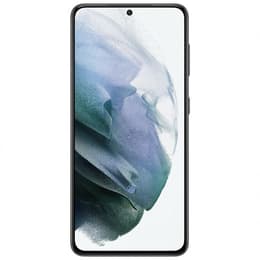
Galaxy S21 5G
Galaxy S21 5G
Starting at

Refurbished price:£126.00

Versus £859.00 new

See options
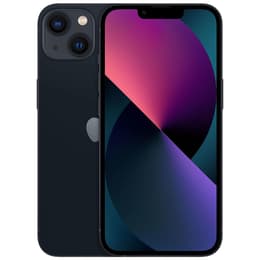
iPhone 13
iPhone 13
Starting at

Refurbished price:£189.00

Versus £599.00 new

See options

Ratings

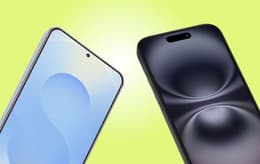
The Samsung Galaxy S21 5G and the Apple iPhone 13 are two prominent smartphones released in 2021 that continue to be popular choices for users seeking reliable performance. While the Galaxy S21 5G offers a versatile Android experience with a focus on display fluidity, the iPhone 13 provides a streamlined iOS environment known for its efficiency and long-term software support. Both devices represent a significant step in their respective series, catering to different user preferences regarding operating systems and hardware design.

Scores

Durability

Both the Galaxy S21 5G and the iPhone 13 are built to withstand daily use, though their long-term software outlook and physical construction differ in key areas.

  • Software Longevity: The iPhone 13 is expected to receive operating system updates for several years, typically following a trend of six to seven years of support, whereas the Galaxy S21 5G was launched with a commitment to four years of major updates and five years of security patches.
  • Physical Construction: The iPhone 13 features a glass back and a specialised front cover for drop protection, while the Galaxy S21 5G utilises a reinforced polycarbonate back that is resistant to cracks but offers a different tactile feel compared to glass.
  • Repairability Standards: Both manufacturers have improved access to repair resources, with the iPhone 13 benefiting from a wide network of service providers and the Galaxy S21 5G offering a modular internal design that simplifies certain component replacements.

Year of Release

2021

2021

Compatible with latest Update

Yes

Yes

OS

Android

iOS

Foldable

No

No

Performance

These devices deliver smooth experiences for everyday tasks, though they manage system resources and power consumption through different hardware philosophies.

  • System Responsiveness: The iPhone 13 excels in app launch speeds and consistent performance during heavy multitasking due to its highly integrated hardware and software, while the Galaxy S21 5G provides ample memory to keep multiple applications open in the background without refreshing.
  • Battery Management: Users will find that the iPhone 13 is optimised for all-day use through efficient power handling, whereas the Galaxy S21 5G relies on a larger battery capacity to support its high-refresh-rate screen and 5G connectivity.
  • Storage and Utility: Both smartphones offer generous internal storage starting at 128GB, ensuring plenty of space for photos and applications, though neither model supports external memory cards, making the initial storage choice an important consideration for the user.

Memory

8 GB

4 GB

Screen quality

The visual experience on these smartphones is defined by high-quality OLED panels, yet they offer distinct characteristics in terms of motion smoothness and design.

  • Motion and Fluidity: The Galaxy S21 5G features an adaptive refresh rate that reaches 120Hz, providing exceptionally smooth scrolling and animations, while the iPhone 13 maintains a standard 60Hz refresh rate which is consistent but less fluid in direct comparison.
  • Display Clarity: Both screens offer vibrant colours and deep blacks, with the iPhone 13 providing a sharp viewing experience for media, while the Galaxy S21 5G includes a slightly larger display area with a small camera cutout for a more immersive feel.
  • Outdoor Use: Each device is designed to be easily readable in bright environments, with high peak brightness levels that ensure text and images remain clear even under direct sunlight during outdoor activities.

Resolution

1080 x 2400

1170 x 2532

Screen type

Dynamic AMOLED 2X

Super Retina XDR OLED

Audiovisual

Photography and media consumption are central to both devices, with each offering a unique set of tools for capturing and enjoying content.

  • Camera Versatility: The Galaxy S21 5G includes a triple-lens array with a dedicated telephoto sensor for clear zoomed-in shots, whereas the iPhone 13 uses a dual-lens system that focuses on wide-angle photography and natural colour accuracy.
  • Video Capabilities: The iPhone 13 is frequently praised for its stable video recording and cinematic features that adjust focus automatically, while the Galaxy S21 5G offers high-resolution video options and manual controls for users who prefer more creative input.
  • Audio Experience: Both smartphones are equipped with stereo speakers that provide clear and balanced sound for watching videos or taking calls, complemented by advanced microphone systems that filter out background noise effectively.

Main camera

12 megapixels

12 megapixels

Front camera

10 megapixels

12 megapixels

Miscellaneous

Beyond the core specifications, the daily handling and connectivity features of these devices play a significant role in the overall user experience.

  • Biometric Security: The Galaxy S21 5G utilises an ultrasonic fingerprint sensor embedded under the display for quick access, while the iPhone 13 relies on facial recognition technology that works even in low-light conditions.
  • Physical Handling: The Galaxy S21 5G is slightly lighter and features a more rounded design that fits comfortably in one hand, whereas the iPhone 13 has a flat-edge aesthetic that provides a secure grip but feels more substantial.
  • Connectivity and Ports: Both devices support 5G for fast mobile data and include modern Bluetooth standards, though the Galaxy S21 5G uses a universal USB-C port for charging and data, while the iPhone 13 uses the proprietary Lightning connector.

Weight

169 g

173 g

Screen size (in)

6.2

6.1

Network

5G

5G

SIM card

Dual Physical SIM + eSIM

Physical SIM + eSIM

Carrier compatibility

Unlocked

Unlocked

Connector

USB-C

Lightning

User discussions on community forums often highlight the distinct strengths of these two devices. The Galaxy S21 5G is frequently commended for its 120Hz display, which users find makes the interface feel significantly more modern and responsive. Conversely, the iPhone 13 receives praise for its exceptional battery efficiency and the reliability of its video recording, which many find to be more consistent for social media and personal memories. Some users note that the Galaxy S21 5G's plastic back is a practical choice for durability, while others prefer the glass construction of the iPhone 13.

Users who prioritise a smooth visual experience and the ability to zoom in on distant subjects may find the Galaxy S21 5G better suited to their needs. Those who value a cohesive ecosystem, long-term software updates, and high-quality video performance might lean toward the iPhone 13. Choosing a quality-assured refurbished option allows users to access these features while supporting a more circular economy. Both devices remain highly relevant today, and opting for a sustainable choice through refurbishment ensures a balance between modern technology and environmental responsibility. Ultimately, the decision rests on whether a user prefers the customisation of Android or the streamlined nature of iOS.

See all articles

Our recent comparisons