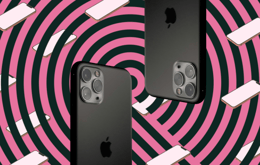
iPhone 12 Vs iPhone 12 Pro

iPhone 12
iPhone 12
Starting at

£142.00

£649.00 new

See options
iPhone 12 Pro
iPhone 12 Pro
Starting at

£198.00

£879.00 new

See options

Ratings

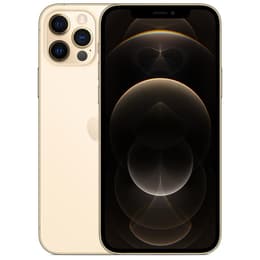
The iPhone 12 and iPhone 12 Pro, both launched in late 2020, represent a significant shift in smartphone design with their flat-edged aesthetic and 5G capabilities. While they share the same physical footprint and core internal architecture, they are distinguished by their build materials and photographic versatility. Both devices run the same modern operating system, ensuring a consistent software experience for users. For those considering a sustainable choice like a quality-assured refurbished option, understanding the practical differences between these two models is essential for making an informed decision.

Scores

Durability

Both the iPhone 12 and the iPhone 12 Pro share an identical release timeline, which directly impacts their expected software support and functional longevity in the coming years.

  • Software Support Lifecycle: Having been released in the same year, both models are expected to receive major operating system updates for the same duration, typically lasting around six to seven years from their initial launch date.
  • Physical Construction: The standard model utilises a lightweight aluminium frame, while the Pro model is built with a stainless steel band, offering a different type of structural rigidity and resistance to daily wear.
  • Repairability and Maintenance: Both handsets are designed with a modular approach to common repairs, such as battery replacements and screen fixes, which are widely supported by professional technicians to help extend the device's useful life.

Year of Release

2020

2020

Compatible with latest Update

Yes

Yes

OS

iOS

iOS

Foldable

No

No

Performance

While both smartphones provide a highly responsive experience for everyday tasks, the Pro model includes specific internal enhancements that cater to more demanding usage patterns and multitasking.

  • System Responsiveness: Both devices handle modern applications, high-definition streaming, and gaming with ease, ensuring that transitions between tasks remain fluid and that app loading times are kept to a minimum even when running the latest software versions.
  • Multitasking and Memory: The iPhone 12 Pro is equipped with additional memory, which allows it to manage more background processes simultaneously, making it better suited for users who frequently switch between several intensive applications or work with large files.
  • Storage Capacity Options: The Pro model offers higher maximum storage tiers, providing ample space for users who prefer to keep large libraries of high-resolution media and documents locally on their device rather than relying on cloud services for their primary storage needs.

Memory

4 GB

6 GB

Screen quality

The visual experience on both the iPhone 12 and iPhone 12 Pro is defined by high-contrast OLED technology, though there are subtle differences in how they perform in various lighting environments.

  • Display Brightness: The iPhone 12 Pro features a screen that can reach higher typical brightness levels, which improves visibility and legibility when the device is used outdoors in direct sunlight.
  • Visual Fidelity: Both models share the same resolution and pixel density, resulting in sharp text and detailed imagery that makes reading and viewing media a comfortable experience on either handset.
  • Smoothness and Interaction: The screens on both devices offer a standard refresh rate that provides a consistent and reliable touch response, ensuring that scrolling through feeds and navigating menus feels natural and precise.

Resolution

1170 x 2532

1170 x 2532

Screen type

Super Retina XDR OLED

Super Retina XDR OLED

Audiovisual

The camera systems represent the most distinct point of divergence between these two models, with the Pro version offering additional hardware for specialised photography and video work.

  • Lens Versatility: The iPhone 12 Pro includes a third telephoto lens for optical zooming, whereas the standard model relies on a dual-lens system that covers wide and ultra-wide perspectives for general photography.
  • Low-Light Performance: With the inclusion of a LiDAR scanner, the Pro model can focus more accurately in dark settings and enables advanced portrait features in night mode that are not available on the standard model.
  • Media Capture and Playback: Both devices record high-quality video with excellent stabilisation and feature stereo speakers that provide a clear and balanced audio experience for watching videos or making calls.

Main camera

12 megapixels

12 megapixels

Front camera

12 megapixels

12 megapixels

Miscellaneous

Practical considerations such as weight, materials, and connectivity play a significant role in how these devices feel during daily use and how they connect to the world.

  • Weight and Ergonomics: The iPhone 12 is noticeably lighter at 162g compared to the 187g Pro model, which may be a deciding factor for users who prefer a device that is easier to hold for long periods or carry in a pocket.
  • Connectivity and Ports: Both handsets utilise the Lightning port for charging and data transfer, and they are fully compatible with 5G networks and modern Wi-Fi standards for high-speed internet access.
  • Secure Authentication: Each model features advanced facial recognition sensors that allow for secure unlocking and authentication, providing a consistent and fast experience across both devices in various lighting conditions.

Weight

164 g

187 g

Width

7.15 cm

7.15 cm

Height

14.67 cm

14.67 cm

Depth

0.74 cm

0.74 cm

Screen size (in)

6.1

6.1

Network

5G

5G

SIM card

Physical SIM + eSIM

Physical SIM + eSIM

Carrier compatibility

Unlocked

Unlocked

Connector

Lightning

Lightning

Based on user discussions and community feedback, the iPhone 12 is widely regarded as the practical choice for the majority of users, praised for its balance of features and its lighter weight which makes it comfortable for all-day use. The iPhone 12 Pro, however, is the preferred option for those who value the added flexibility of a telephoto lens and the extra memory for more intensive multitasking and future-proofing. Some users have noted that the standard model's battery performance is very reliable for a full day of typical use, while others appreciate the more substantial feel and advanced focus capabilities of the Pro model in dark environments.

Users who prioritise a comfortable, lightweight handset for standard daily activities like browsing, social media, and casual snapshots will find the iPhone 12 well-suited to their needs. Conversely, users who frequently engage in mobile photography, require optical zoom, or run many apps at once may find the iPhone 12 Pro more aligned with their requirements. Choosing an eco-friendly alternative through refurbishment is a sustainable way to acquire either of these capable devices while ensuring they have been tested for quality and performance. Ultimately, both models remain highly functional smartphones that offer a consistent and high-quality experience for the modern user, providing a reliable platform for both work and leisure.
See all articles

Our recent comparisons