
iPhones
Compare models
Differences at a glance
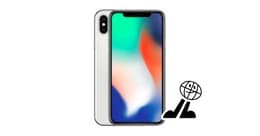
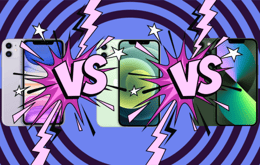
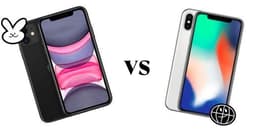
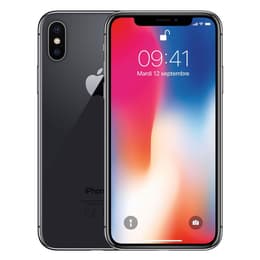
The iPhone 12, released in 2020, and the iPhone X, launched in 2017, represent two significant milestones in the evolution of Apple's smartphone lineup. While the iPhone X introduced the modern all-screen design and facial recognition, the iPhone 12 refined this concept with a new flat-edge aesthetic, 5G connectivity, and improved durability. Both devices run on the iOS platform, though the iPhone 12 supports more recent software versions and features compared to the older iPhone X. Choosing between them involves weighing the benefits of a more modern, powerful device against a classic model that pioneered many current features. This comparison explores how these two generations differ in practical, everyday use for modern consumers.
Colour
Storage (GB)
The three-year age gap between these two models significantly impacts their expected lifespan and software compatibility in the coming years. While both devices were built to high standards, the iPhone 12 offers a more future-proof experience for users who intend to keep their device for several years.
Year of Release
In daily use, the performance gap between these generations is noticeable, particularly when handling modern, demanding applications or multitasking between several heavy programs. The iPhone 12 provides a smoother experience for users who rely on their phones for more than just basic communication.
While both smartphones utilise high-quality display technology to produce deep blacks and vivid colours, there are clear differences in size, brightness, and overall clarity that affect the viewing experience. The iPhone 12 offers a more expansive and brighter canvas for media consumption.
The camera systems on these devices cater to different photographic styles, with the iPhone 12 introducing modern computational photography features that significantly improve image quality in challenging conditions. The choice often comes down to whether you prefer zoom or wide-angle capabilities.
Beyond the core specifications, several practical features differentiate the daily handling and connectivity of these two smartphones. These differences often dictate how the device fits into a user's existing ecosystem of accessories and network plans.
Screen size (in)
Mobile network
SIM card
Carrier compatibility
Connector
User feedback from various community forums highlights that the iPhone X is still appreciated for its compact size and the premium feel of its stainless steel frame. However, many users note that its battery life and processing speed are beginning to show their age when running modern applications. Conversely, the iPhone 12 is frequently praised for its reliable performance, 5G capabilities, and the versatility of its ultra-wide camera. Some users do mention that the transition from the curved edges of the X to the flat edges of the 12 takes some adjustment in terms of hand comfort, though the lighter weight is often seen as a benefit.
For users who prioritise longevity and need a device that will remain compatible with new software for years to come, the iPhone 12 is the more practical choice. It is also better suited for those who frequently take photos in low light or enjoy recording high-quality video. On the other hand, the iPhone X remains a functional option for individuals with basic needs who prefer a smaller device and do not require the latest network speeds. Choosing a quality-assured refurbished option for either model is a sustainable choice that helps reduce electronic waste while providing a reliable device. As an eco-friendly alternative, a refurbished iPhone 12 offers a modern experience with a reduced environmental footprint. Ultimately, the decision rests on whether you value the modern features and extended support of the iPhone 12 or the classic design and compact form of the iPhone X.