iPhones
Compare models
Differences at a glance
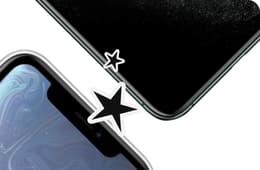
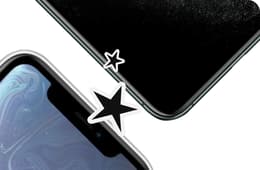
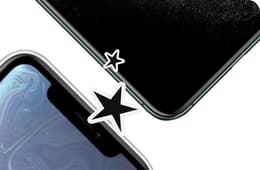
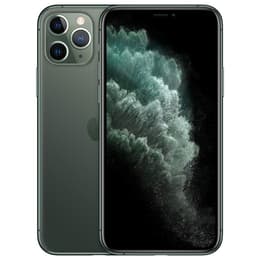
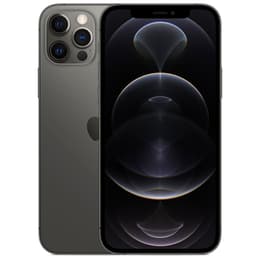
The iPhone 11 Pro, released in 2019, and the iPhone 12 Pro, arriving in 2020, represent two significant steps in the evolution of Apple’s high-end smartphone series. While both devices share a commitment to high-quality materials and a versatile triple-camera system, they differ notably in their physical design language and network capabilities. Both smartphones operate on the iOS ecosystem, ensuring a consistent user interface and access to a vast library of applications, though their hardware differences influence how they handle modern digital demands.
Colour
Storage (GB)
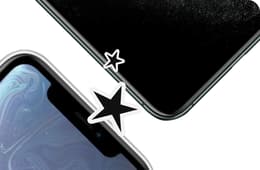
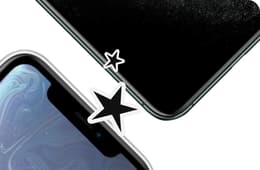
The iPhone 12 Pro introduced a significant shift in design and material science compared to the iPhone 11 Pro, impacting its long-term utility.
Year of Release
Compatible with latest Update
OS
Foldable
While both devices remain highly capable for daily tasks, the internal hardware of the iPhone 12 Pro offers more headroom for intensive activities and multitasking.
The viewing experience on these two devices differs primarily in size and the technology protecting the panel, though both offer high-end visual performance.
Resolution
Screen type
Photography enthusiasts will find that while the core camera setups look similar, the iPhone 12 Pro introduces several technical refinements for better image processing.
Main camera
Front camera
Beyond the core specifications, the physical handling and connectivity of these two generations mark a clear departure from one another in daily use.
Weight
Screen size (in)
Mobile network
SIM card
Carrier compatibility
Connector
User feedback from various community forums highlights a clear divide in preference based on ergonomics and modern features. Many iPhone 11 Pro users praise the device for its comfortable, rounded feel and its reliable battery performance during standard daily use. Conversely, iPhone 12 Pro users often cite the updated design and the inclusion of 5G as the primary reasons for their satisfaction, noting that the device feels more prepared for future network standards. Some users have noted that the iPhone 12 Pro's battery can be taxed more heavily when using 5G, while the iPhone 11 Pro remains a solid performer for those who do not yet require the fastest mobile data speeds.
Users who prefer a more compact, ergonomic device that fits easily in the hand may find the iPhone 11 Pro aligns well with their needs. Those who prioritise future-proofing, faster data connectivity, and a larger screen in a similarly sized body will likely lean toward the iPhone 12 Pro. Both devices represent a sustainable choice when purchased as an eco-friendly alternative to buying new, allowing users to access high-end technology while supporting a circular economy. Ultimately, the decision rests on whether the user values the classic comfort of the 11 Pro or the modern connectivity and resilience of the 12 Pro.