iPhone 12 Pro Vs iPhone X

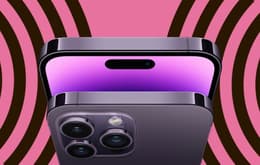
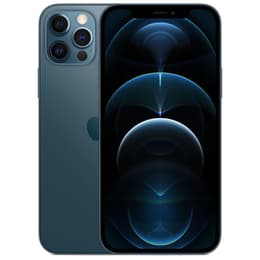
iPhone 12 Pro
iPhone 12 Pro
Starting at

Refurbished price:£201.00

Versus £879.00 new

See options
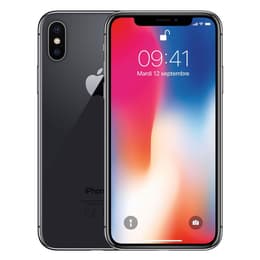
iPhone X
iPhone X
Starting at

Refurbished price:£93.00

Versus £449.00 new

See options

Ratings

The iPhone X, released in 2017, and the iPhone 12 Pro, launched in 2020, represent two significant milestones in the evolution of the smartphone. While the iPhone X introduced the world to the nearly borderless display and facial recognition technology, the iPhone 12 Pro refined this vision with a more industrial design and significantly advanced internal hardware. Both devices operate on Apple's iOS platform, providing a familiar and cohesive user experience, yet the three-year gap between them introduces notable differences in connectivity, camera capabilities, and long-term software support for modern applications.

Scores

Durability

The physical construction and software longevity of these two models reflect their respective release periods and the advancements made in material science over three years.

  • Software Longevity: The iPhone 12 Pro, being three years newer, is expected to receive official software updates and security patches for a significantly longer period than the iPhone X, which is now approaching the end of its supported lifecycle.
  • Physical Resilience: The iPhone 12 Pro features a Ceramic Shield front cover, which offers improved drop protection compared to the standard glass found on the iPhone X, though both utilise a stainless steel frame for structural rigidity.
  • Maintenance: Choosing a quality-assured refurbished option can be a sensible way to access these durable stainless steel designs while extending the functional life of existing hardware in a sustainable manner.

Year of Release

2020

2017

Compatible with latest Update

Yes

No

OS

iOS

iOS

Foldable

No

No

Performance

Daily usage patterns reveal how the internal hardware of each device manages modern demands, from simple web browsing to intensive multitasking and mobile gaming.

  • System Responsiveness: The iPhone 12 Pro handles demanding applications and complex multitasking with greater ease due to its higher memory capacity, whereas the iPhone X may show signs of slowing down when switching between several heavy apps.
  • Battery Endurance: In typical daily scenarios, the iPhone 12 Pro generally provides more consistent power throughout the day, while the iPhone X may require more frequent charging sessions, especially for users who rely heavily on mobile data or navigation.
  • Storage Flexibility: The 2020 model offers higher maximum storage capacities, allowing users to keep more high-resolution media and large applications locally on the device without needing to manage space as frequently.

Memory

6 GB

3 GB

Screen quality

Both smartphones utilise organic light-emitting diode technology, which provides deep blacks and high contrast, but the viewing experience differs in terms of scale and brightness.

  • Display Brightness: The iPhone 12 Pro achieves higher peak brightness levels, making the screen significantly easier to read when used outdoors under direct sunlight compared to the iPhone X.
  • Viewing Area: With a 6.1-inch display, the iPhone 12 Pro offers a slightly larger canvas for watching videos or reading documents than the 5.8-inch screen of the iPhone X, while maintaining a similar overall footprint.
  • Visual Clarity: While both screens are sharp, the iPhone 12 Pro features a higher contrast ratio and improved colour accuracy, which enhances the realism of high-definition content and photographs.

Resolution

1170 x 2532

1125 x 2436

Screen type

Super Retina XDR OLED

Super Retina OLED

Audiovisual

The camera systems represent the most significant leap between these two generations, moving from a dual-lens setup to a more versatile triple-lens array with advanced sensors.

  • Photographic Versatility: The iPhone 12 Pro includes an ultra-wide lens that allows users to capture more of a scene in a single shot, a feature entirely absent on the dual-lens system of the iPhone X.
  • Low-Light Performance: Night mode on the iPhone 12 Pro enables clear photography in dark environments, supported by a light-sensing sensor that assists with focus, whereas the iPhone X lacks these specific software and hardware optimisations.
  • Video Capabilities: Users who record video will find the 12 Pro offers more advanced recording formats and smoother stabilisation, resulting in more professional-looking footage for social media or personal archives.

Main camera

12 megapixels

12 megapixels

Front camera

12 megapixels

7 megapixels

Miscellaneous

Beyond the core specifications, several practical features influence how these devices fit into a modern lifestyle, particularly regarding connectivity and physical handling.

  • Network Connectivity: The iPhone 12 Pro supports 5G networks, providing faster data speeds and better performance in crowded areas, while the iPhone X is limited to 4G LTE connectivity.
  • Charging and Accessories: The 2020 model introduces magnetic alignment for wireless charging and accessories, offering a more secure connection and new functional possibilities that the iPhone X does not support.
  • Ergonomics: The iPhone X features a curved edge design that some users find more comfortable to hold, whereas the iPhone 12 Pro has a flat-edged aesthetic that provides a more secure grip but feels slightly wider in the hand.

Weight

187 g

174 g

Width

7.15 cm

7,09 cm

Height

14.67 cm

14,36 cm

Depth

0.74 cm

0,77 cm

Screen size (in)

6.1

5.8

Network

5G

4G

SIM card

Physical SIM + eSIM

Physical SIM

Carrier compatibility

Unlocked

Unlocked

Connector

Lightning

Lightning

User feedback from various community forums highlights a clear distinction in how these devices are perceived in the current landscape. The iPhone X is often praised for its pioneering design and comfortable, compact form factor, though many users now note that its battery and processing speed are beginning to show their age. Conversely, the iPhone 12 Pro receives consistent acclaim for its versatile camera system and the speed of its 5G connection, with the main criticisms often focusing on its heavier weight compared to earlier models.

Users who prioritise a compact device for basic communication and social media may still find the iPhone X suitable for their needs, while those who require a powerful tool for photography, gaming, or long-term software compatibility will find the iPhone 12 Pro more aligned with their priorities. For those seeking a balance between modern functionality and environmental responsibility, an eco-friendly alternative like a refurbished device provides a reliable path forward. Ultimately, the choice depends on whether one values the classic ergonomics of the iPhone X or the advanced technological capabilities and future-proofing of the iPhone 12 Pro.

See all articles

Our recent comparisons