
iPhones
Compare models
Differences at a glance
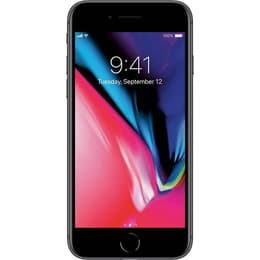
The iPhone 8, released in September 2017, and the iPhone XR, launched in October 2018, represent different approaches within Apple's smartphone lineup. While the iPhone 8 maintains a classic design with a home button, the iPhone XR introduced a larger, all-screen display and Face ID. Both devices operate on Apple's iOS ecosystem, offering a consistent user experience, but they differ in their core hardware and design philosophy, leading to distinct practical differences for users.
Colour
Storage (GB)
When considering the longevity of these devices, their release timelines and subsequent software support are key factors.
Year of Release
Compatible with latest Update
OS
Foldable
The performance of a smartphone is crucial for daily tasks, and both the iPhone 8 and iPhone XR offer capable experiences, though with notable distinctions.
The display is a primary interaction point, and the iPhone 8 and iPhone XR present different visual experiences.
Resolution
Screen type
Both smartphones offer capable camera systems for everyday photography, but the iPhone XR introduces some enhancements.
Main camera
Front camera
Beyond core features, several practical elements differentiate the iPhone 8 and iPhone XR.
Weight
Screen size (in)
Mobile network
SIM card
Carrier compatibility
Connector
User sentiment for the iPhone 8 often highlights its enduring performance for basic tasks, with many appreciating its compact size and the familiarity of the home button and Touch ID. However, common criticisms revolve around its battery life, which tends to be shorter, especially with an aging battery, and the increasing limitations in software compatibility as newer iOS versions are released. Some users also report issues with Wi-Fi and Bluetooth connectivity.
The iPhone XR is frequently praised for its significantly improved battery life, larger display, and capable camera system, which includes Portrait mode. Users generally find its performance robust for everyday use and multitasking. Criticisms sometimes point to the LCD display not being as vibrant as OLED panels found in other models, and the single rear camera's limitations compared to dual-lens systems, particularly for non-human portrait subjects.
Users prioritizing a compact form factor, a physical home button, and Touch ID may find the iPhone 8 well-suited to their needs, especially if their usage is lighter and they are comfortable with potentially older software support. Those who value a larger, more immersive screen, extended battery life, Face ID, and more advanced camera features, including Portrait mode, will likely lean toward the iPhone XR. For individuals seeking a more modern experience with longer software support, the iPhone XR presents a compelling option. Both devices are available as quality-assured refurbished options, providing an eco-friendly alternative for consumers.